
A Reflection on Appeasing the Spirits
Most of Indonesia is Muslim, except for Bali, which practices Hinduism, and each morning and then at several times throughout the day, people will place small offerings to appease and honor Sang Hyang Widi Wasa, the all-in-one deity worshiped by Balinese Hindus — as well as other spirits, both good and bad.
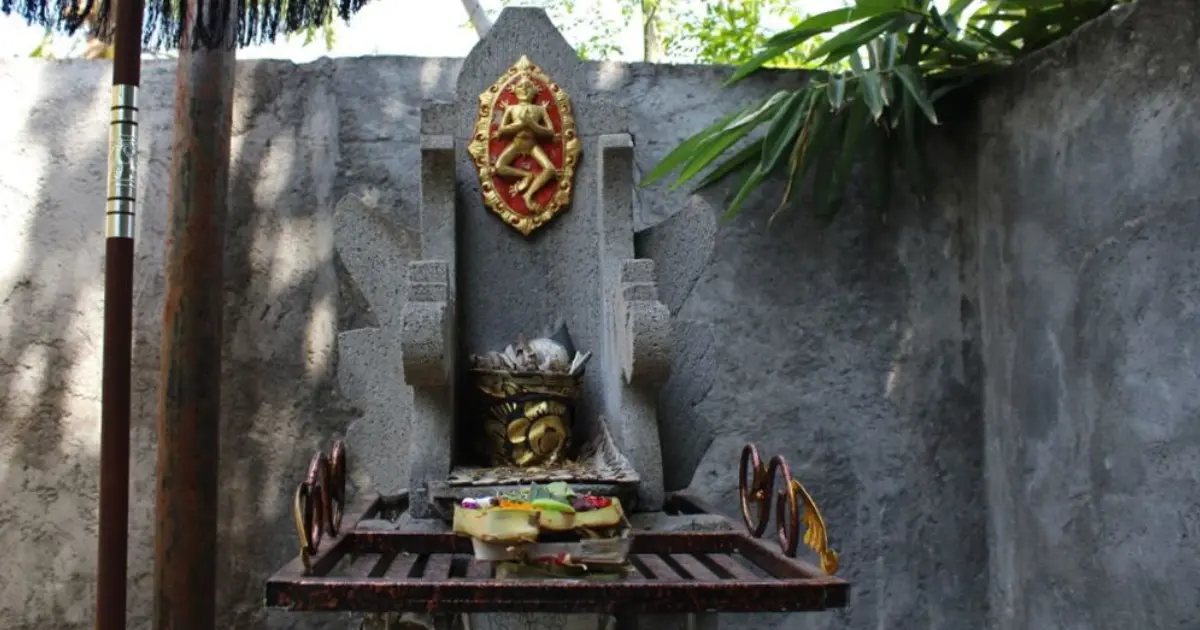
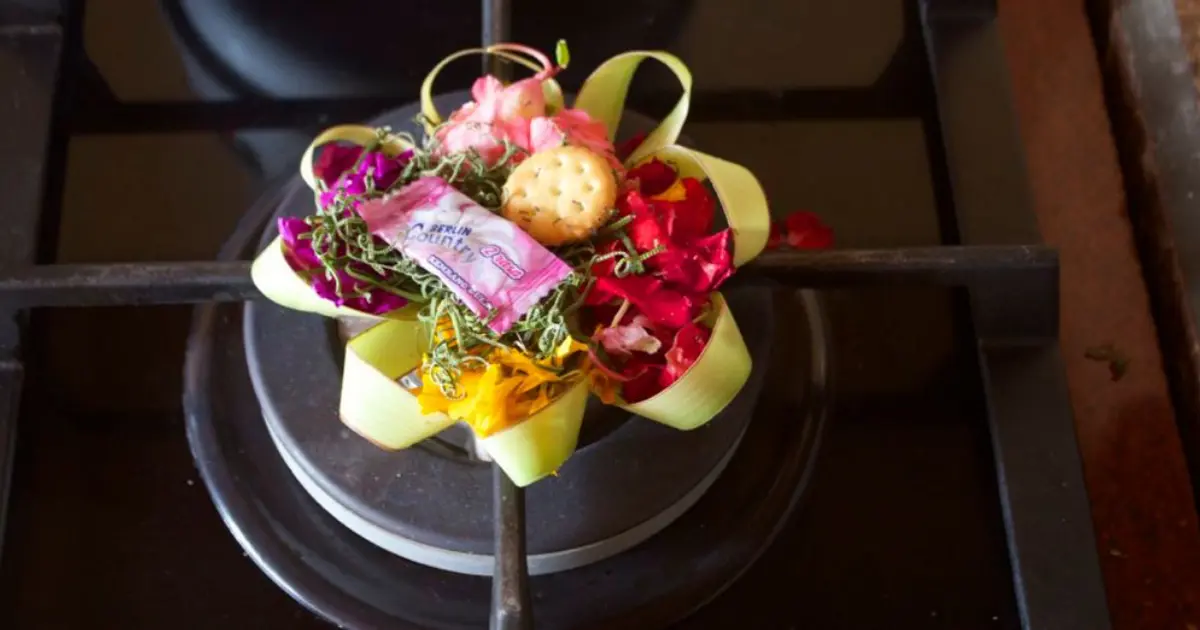
These offerings take the form of canang sari, palm leaf baskets (the “canang”) about three inches square (but sometimes other shapes), filled with flowers and other small offerings (the “sari”) such as coins, rice, pieces of candy, crackers or other foodstuffs, and usually a stick or two of incense.
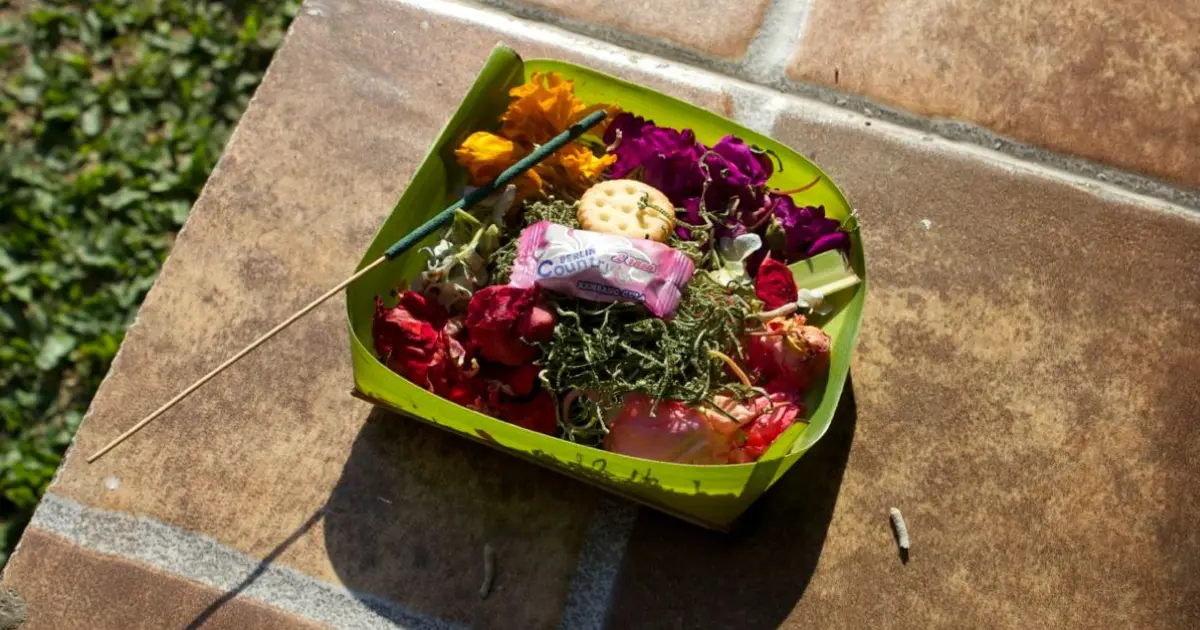
The flowers and other flora that make up the “sari” part of the offering are betel leaf and betel nut, lime, tobacco, and different types of flowers, each honoring a specific Hindu deity (which are all aspects of the all-in-one-god, if I understand it correctly).
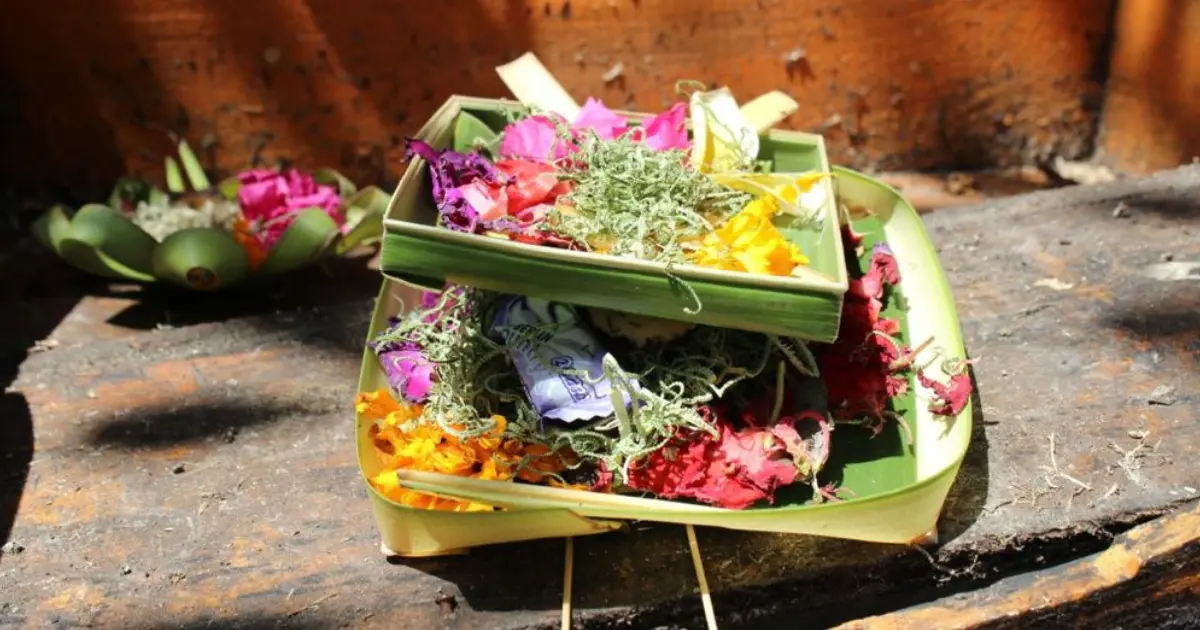
The offerings are placed in many different places: on the ground, in shrines, in special alcoves, on statues, and even in cars and on motorbikes. They’re quite literally all over the place. You have to be careful when walking down the road so you don’t kick or step on them.

The canang sari that are placed low or on the ground are to appease the evil spirits, while those placed up high are meant to honor the good deities.
During the course of the day, one will see well-dressed individuals (usually women but sometimes men) walking around an area of town with a tray stacked with offerings and placing canang sari where needed.
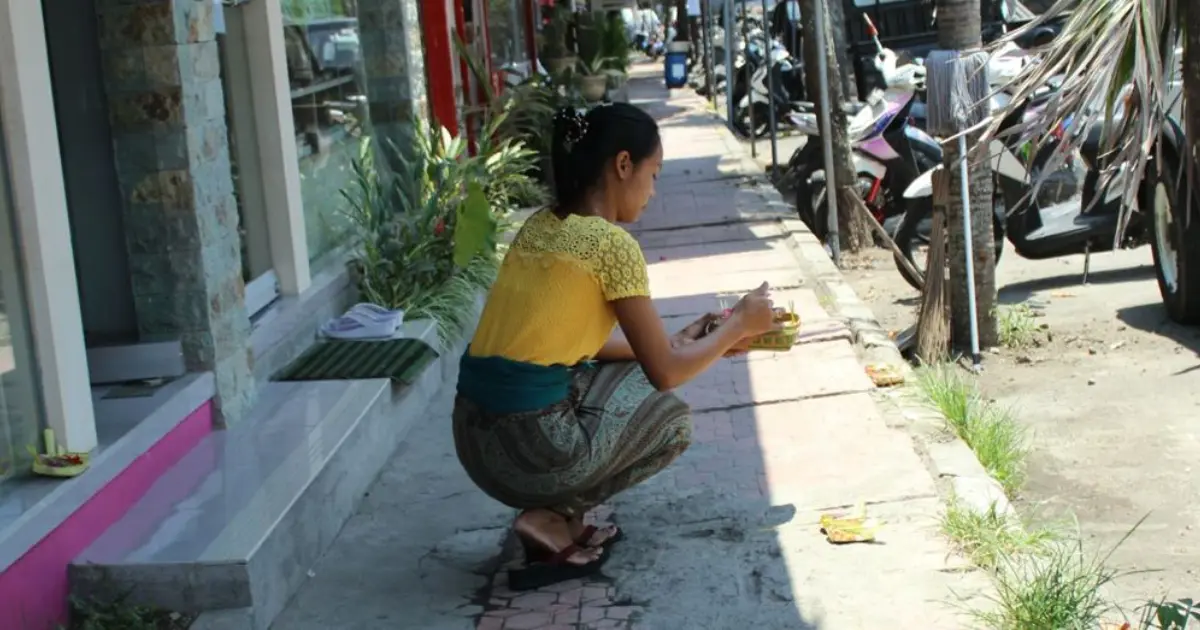
It’s never been clear what prompts the specific placement of a canang sari, but after it’s placed, the individual will perform a small ceremony over the offering before moving on to the next one. This seems to happen every few hours in the streets of Ubud.
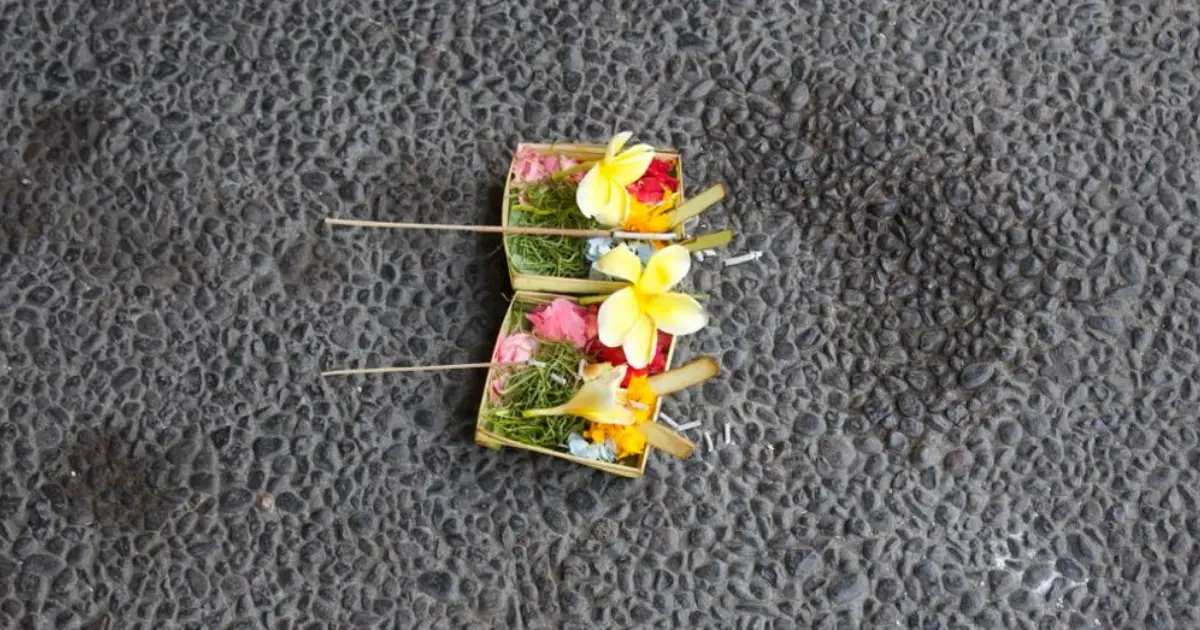
Sometimes there’s only one offering, but more often they come in pairs or even larger groups.
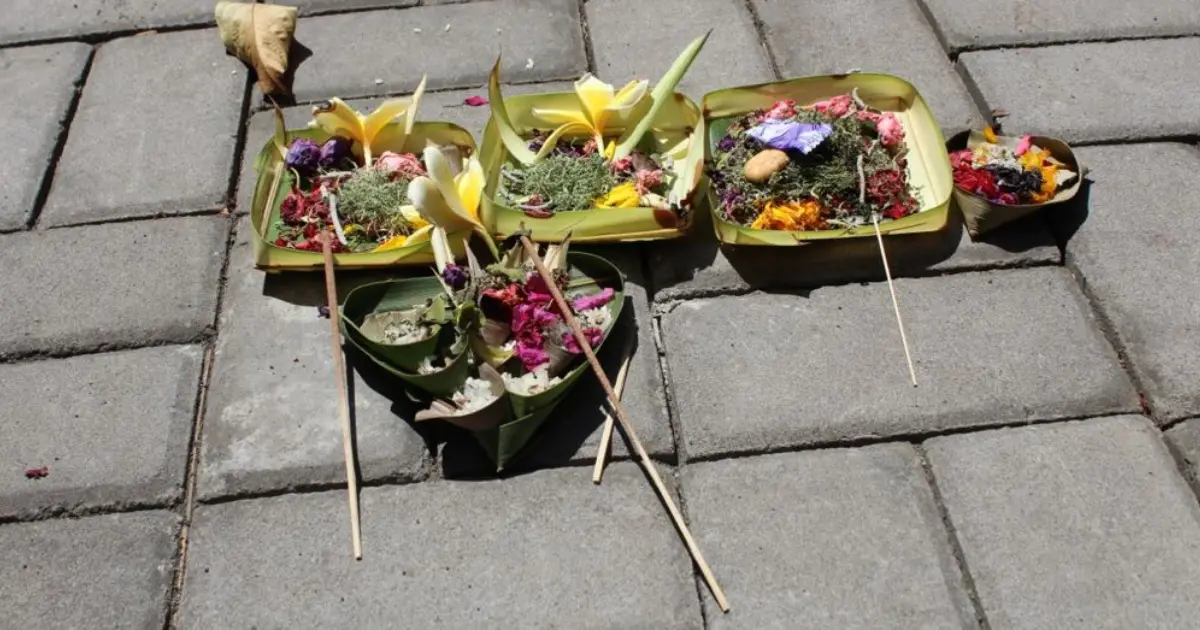
This practice helps to maintain a balance with the deities. As one of our drivers, a talkative guy by the name of Putu (there are a lot of Putus in Bali) told us, Balinese Hinduism operates on three principles (the Tri Hita Karana): man’s relationship to god (Parahyangan), man’s relationship to other men (Pawongan) and man’s relationship to nature (Palemahan). If any of those three are out of balance, then … stress.
And we all want to avoid stress.
Taking on the World is an Amazon Associate and earns from qualifying purchases.

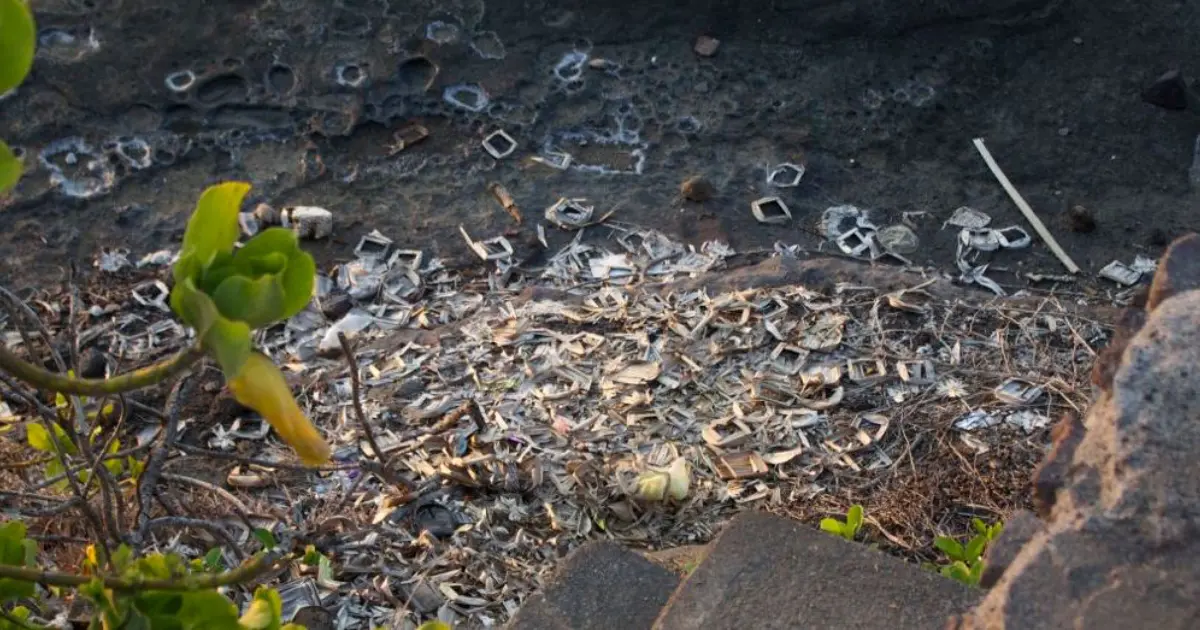
Header Image: Canang sari leavings. All images from the author’s collection.