
WWOOFing It
A Week Working in WA’s Wheat Belt
Early on in the planning of our grand adventure, one of the ideas we’d been interested in as a way to defer costs while traveling was to try WWOOFing.
WWOOFing (Worldwide Opportunities on Organic Farms and/or Willing Workers on Organic Farms — depending which side of the equation you’re on) is a program that pairs people who are willing to work on organic farms with farmers who are willing to exchange this labor in kind by providing the workers with meals and a place to sleep during their stay.
And that’s just what we did for seven days in the wheat belt of Western Australia.
Our Farm
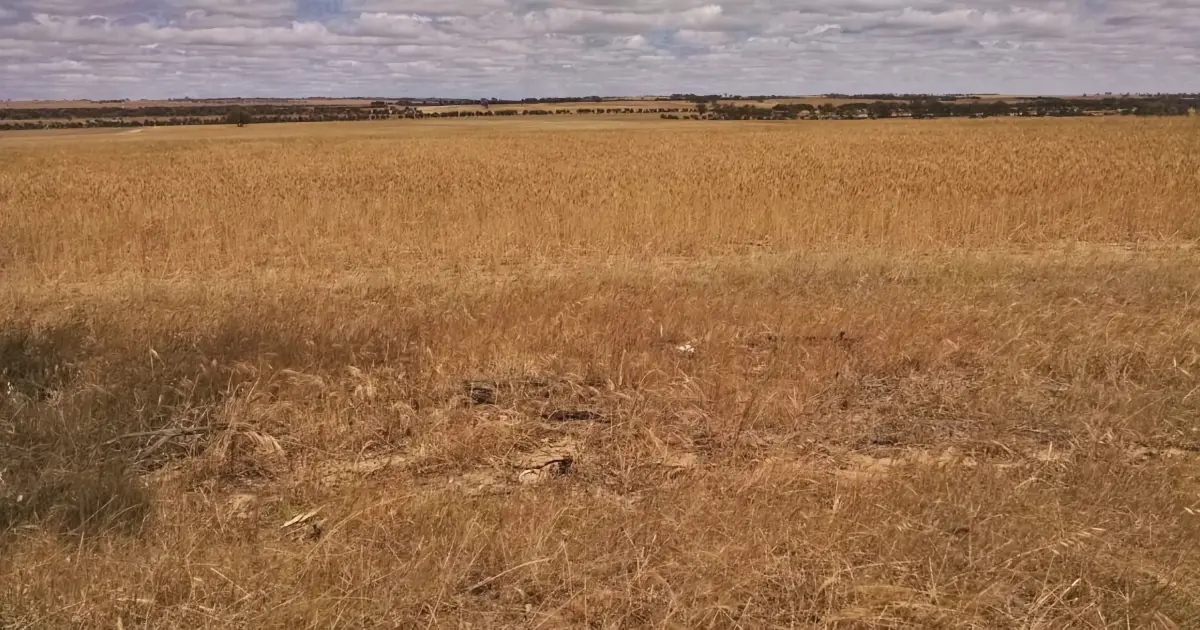
The farm we worked on was a large one (by our standards, but still classified as a hobby farm by some) with 1800 acres. Many of the paddocks (fields) grew organic wheat, while other paddocks were reserved for grazing territory for the farm’s 1000 sheep. The fields were so long and wide, that sometimes we wouldn’t see any of the sheep for days at a time.
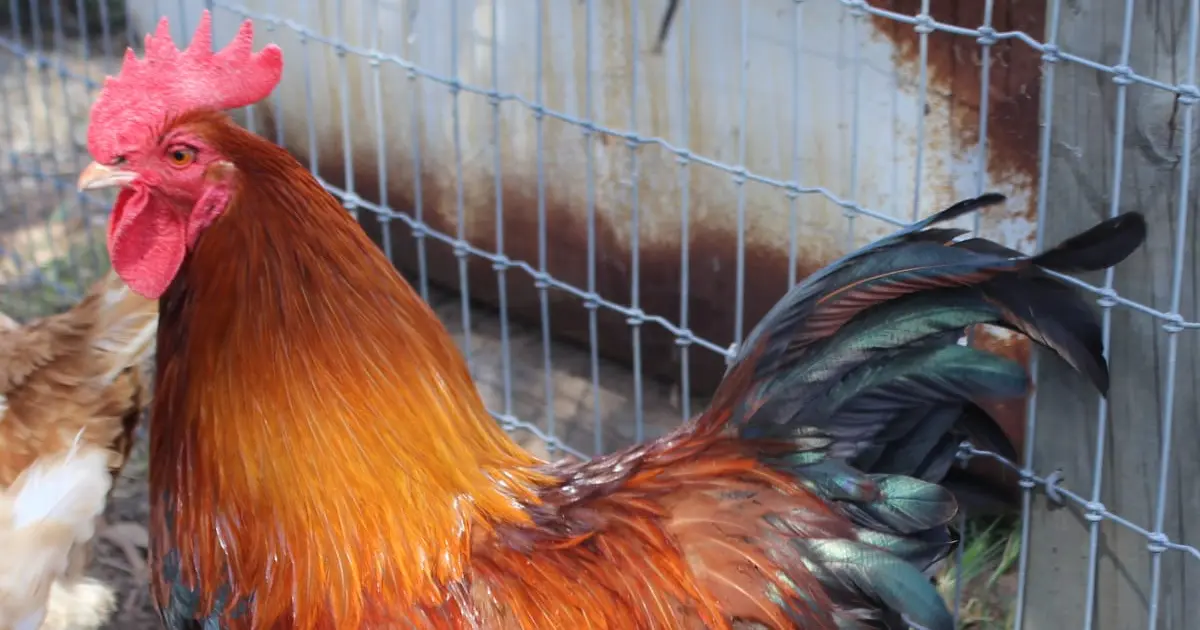
Every morning, without fail, the roosters crowed. But they didn't crow at sunrise (which was about 5:30 a.m.) or at first light (about 4:30 a.m). No, these guys decided that 2:30 a.m. was a great time to have a crow-off. And they didn’t do it just once or twice — they kept at it five, six, or even seven times. So that was great.
The flies we encountered on our first day proved to be relentless. These little devils showed up in force about 8:00 in the morning, just as the temperature started to climb, and remained pretty fierce until about 7:00 at night, when it got dark and started to cool off.
The Meals
Our mornings started with breakfast about 7:00. There was, much to my dismay, no coffee. I'd spent many summers on my grandparents' farm, and there was always coffee. It’s where I started drinking coffee, in fact. The breakfasts were cereal with homemade yogurt and fresh milk straight from Rosie the cow, sometimes warm, sometimes chilled.
On especially arduous days, we'd have tea about 10:00 a.m. It was called tea, but there was no actual tea. Instead, “tea” was usually just a light snack. Lunch, which always happened at Noon was a fairly simple meal, usually sandwiches and some kind of salad, though one day we had fried duck eggs. Dinner was typically served at 6:30, and was a much more Rockwellian affair (if Norman Rockwell ate Vegemite).
The Work
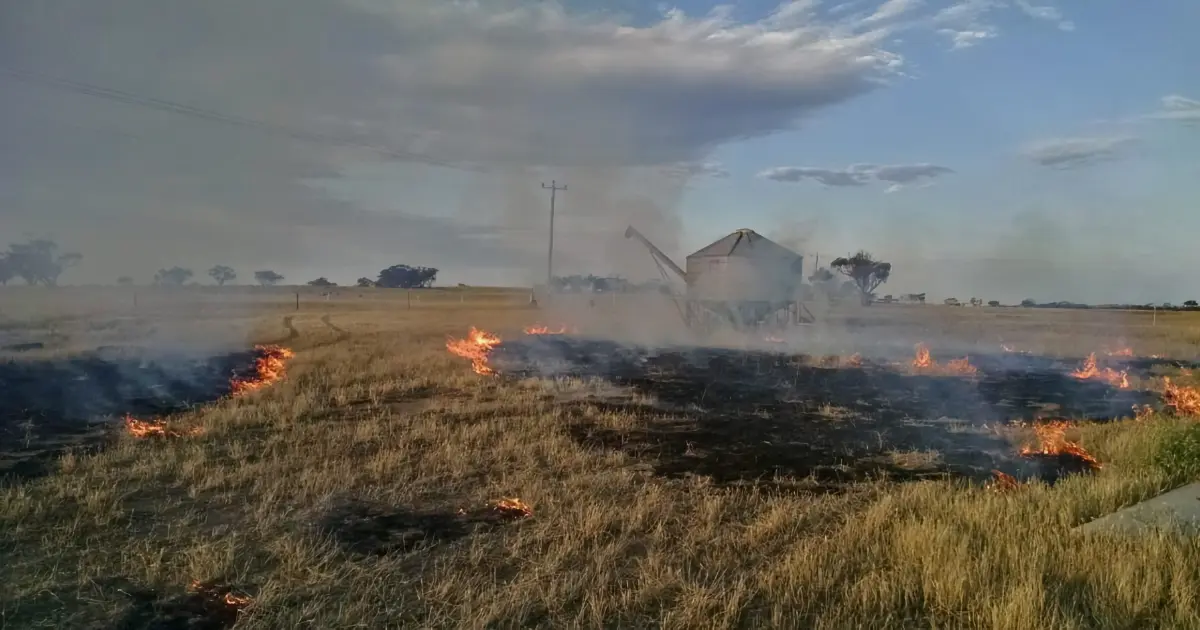
After breakfast, work began in earnest. There are all sorts of jobs to do on a farm. Some of the daily tasks we helped with included milking Rosie the cow, building fences, taking care of the chooks (what we grew up calling chickens), planting beans, and managing a controlled (well, somewhat) burn on the property.
There was work inside the house, too, like doing dishes, prepping for meals, sweeping, and vacuuming.
When we were there, the wheat harvest was just a few weeks off, so most of the jobs related to getting ready for that or catching up on those jobs that no one really likes to do, like cleaning equipment and spending two days picking rocks out of a 40-acre field.
Picking Rocks
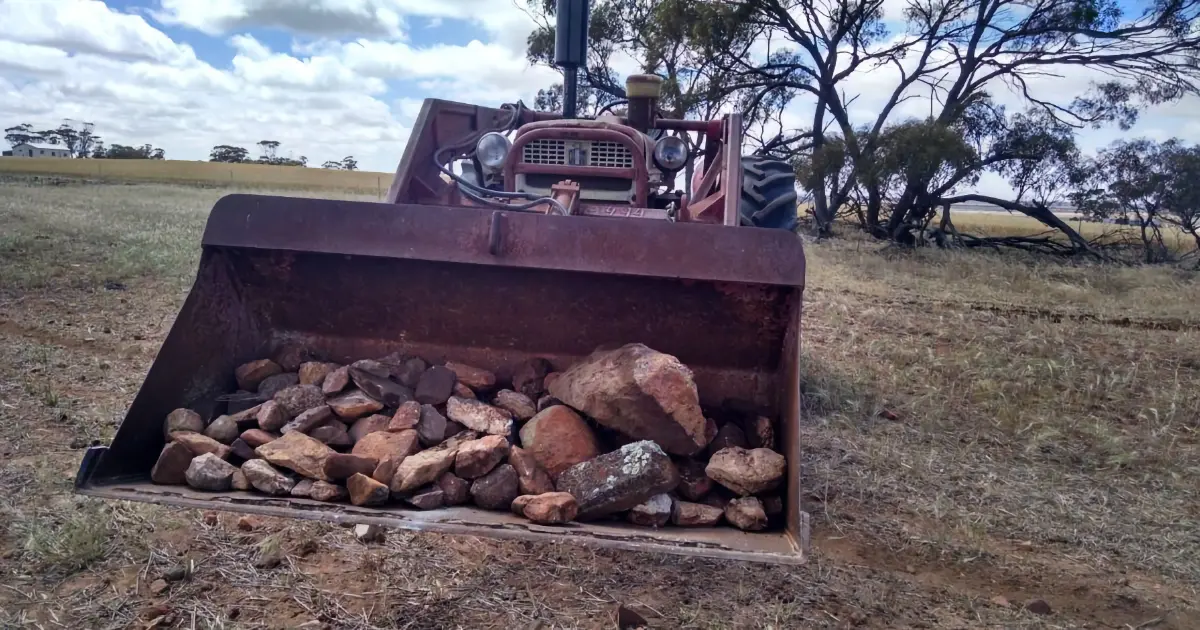
This job consisted of me slowly driving a tractor with a front-end bucket along the field as the kids picked up any rock bigger than a fist. There was no shade, and it took us three sessions (a total of five hours) to clear our corner of the field.
Some of the rocks were pretty big, and on two occasions, when we flipped over these larger rocks, we found a redback spider, which looks a lot like a black widow and is just as venomous. Fortunately, no one was bitten. Also fortunately, we avoided seeing any of Australia’s venomous snakes.
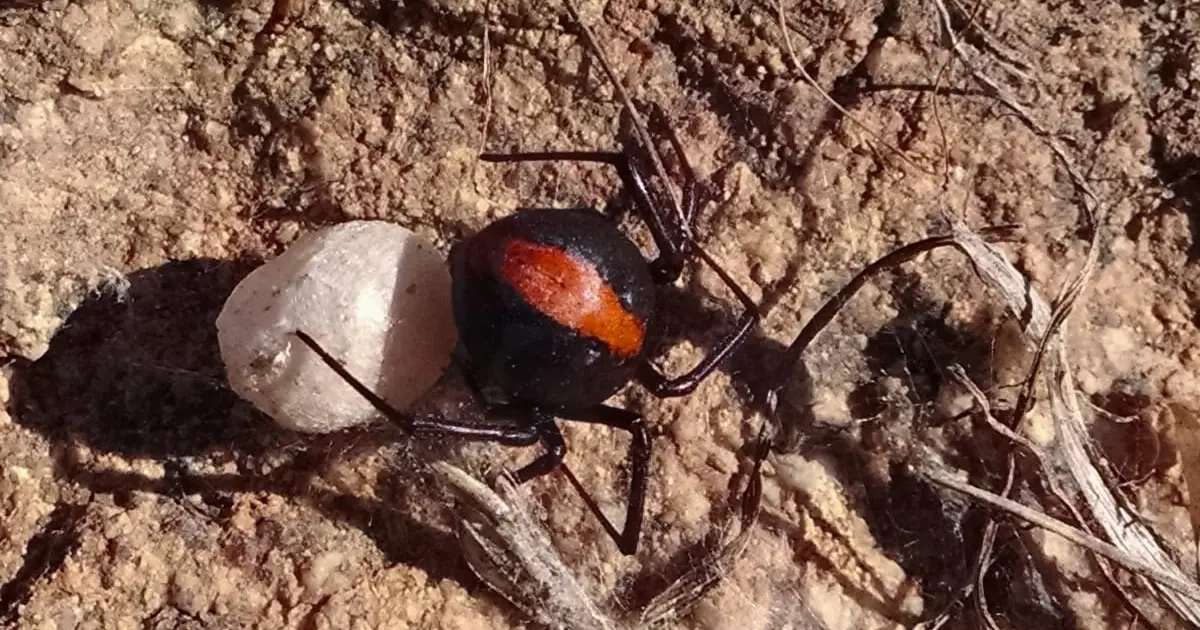
But when the days were all over, that field was certified rock-free, except for a few giant boulders on the east end of the paddock. A job well done, if we say so ourselves (and we do).
The sun set at 6:30 p.m. — and it sets fast in the flat land that makes up most of Western Australia. So after dinner was eaten and the dishes were done, it was time to shower and retire to our small room on the side of the house to read and write in our journals before we drifted off to sleep.
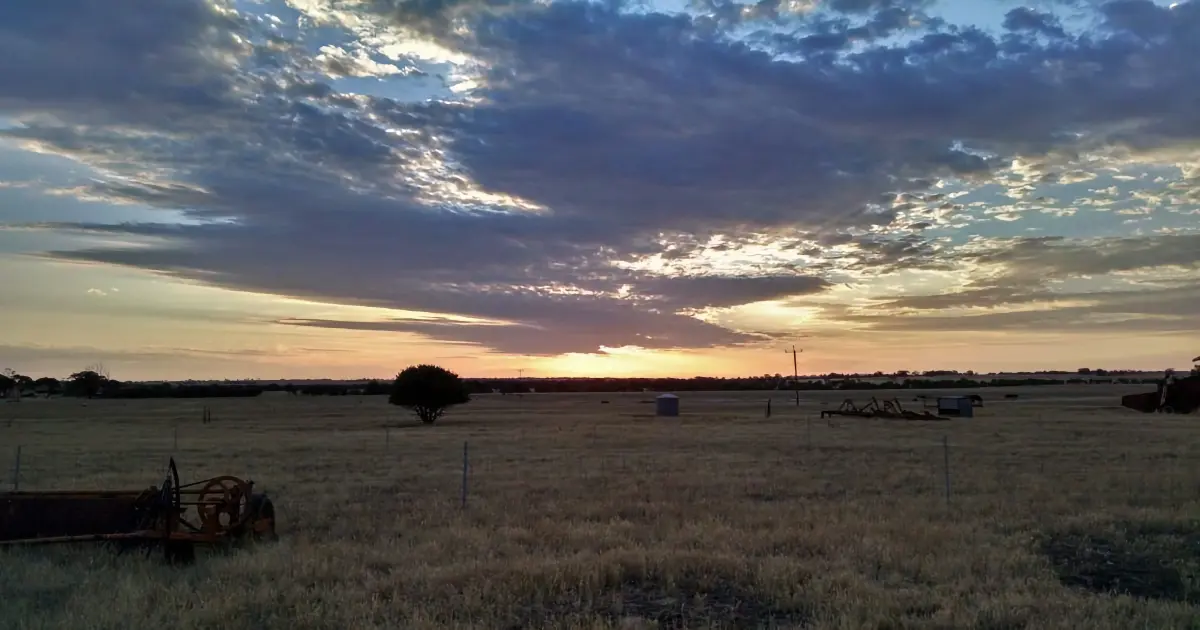
That was the gist of our WWOOFing days, but the type of work and the general workload varied from day to day, and the weather was wildly unpredictable — hot and dry one day, chilly and damp the next.
Farm Tour
One evening we went on a tour of the farm, and we met the guard alpacas. These four critters (three of which are pictured below) roam and graze with the sheep, keeping them safe from foxes. Sounds far-fetched, but apparently alpacas (notoriously bad-tempered) will fight off foxes. Who knew?
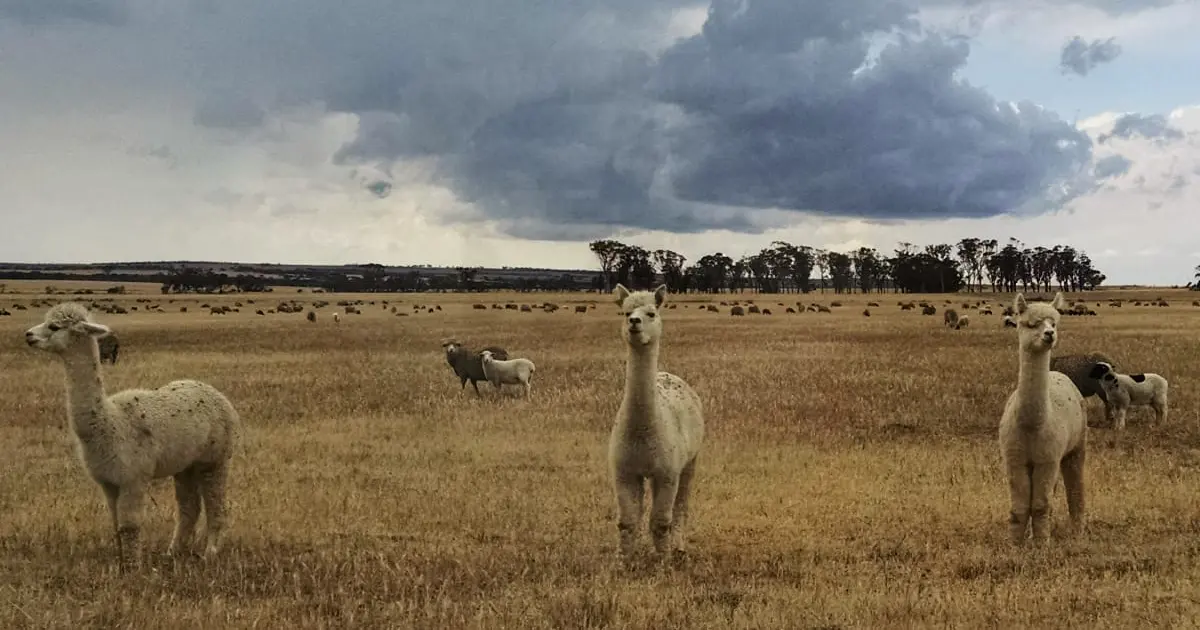
1,800 acres is a lot of land, although not all of it is arable. Part of the property is Australian bush, which was pretty cool to see.
We saw (and chased) two western gray kangaroos that were in one of the paddocks (they do more damage to the wheat by jumping on it than eating it).
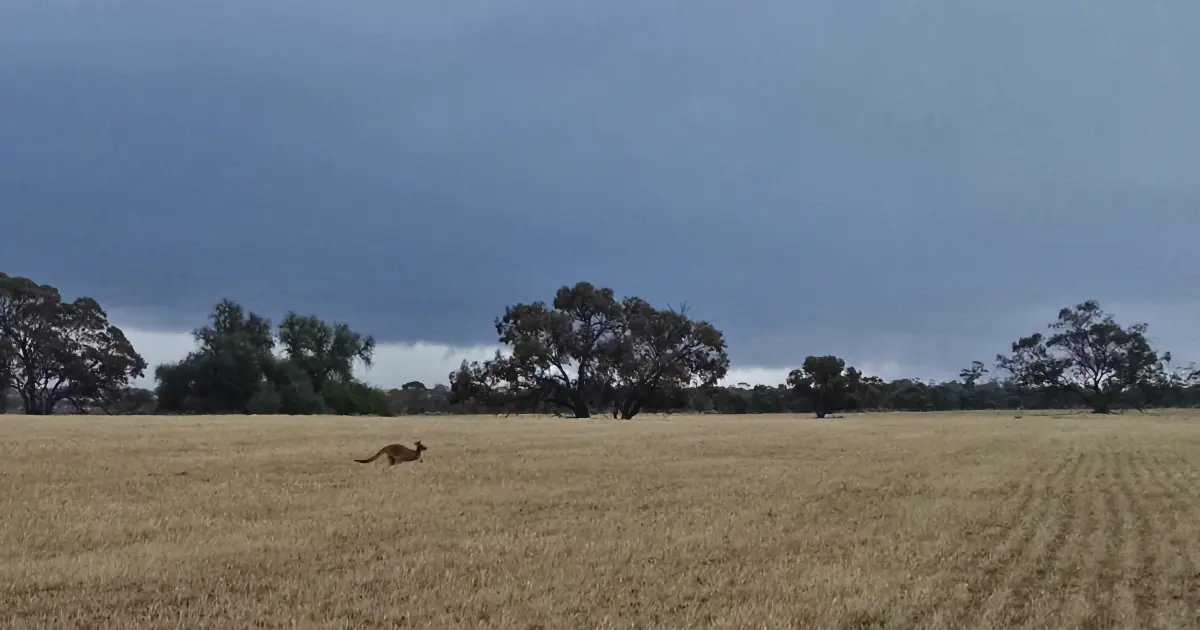
We also came across a goat that escaped a few weeks back. She had two kids with her, and she watched us approach until we got too close for her liking, then she hopped over the fence and was gone again.
Exposure
Two of the farm kids had been coughing violently since we’d arrived, and one day about halfway through our stay, one of the kids went to the doctor. Turns out she had pneumonia.
We also learned that there was an outbreak of whooping cough in the nearby town where the kids go to school. Good thing we are all well-vaccinated. Or so we thought ...
Because even though we were vaccinated against whooping cough, this was a different strain active in Western Australia. And, as we learned later in the trip, my wife ended up contracting what is known as the “100 Day Cough.” An apt name, because that’s how long she had it.
The Final Day
After the kids and I washed the farm truck, I helped corral two cows and load them onto a flatbed truck. How do you entice cows to get into a flat bed truck for transport? With a handful of grain, of course (just like Minecraft!).
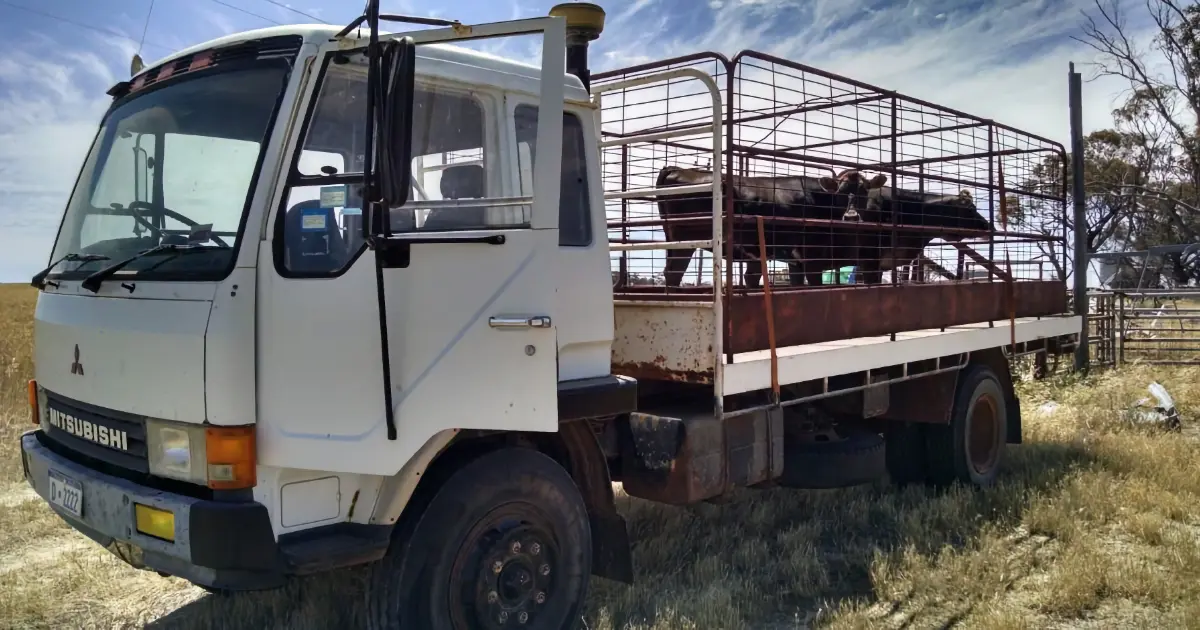
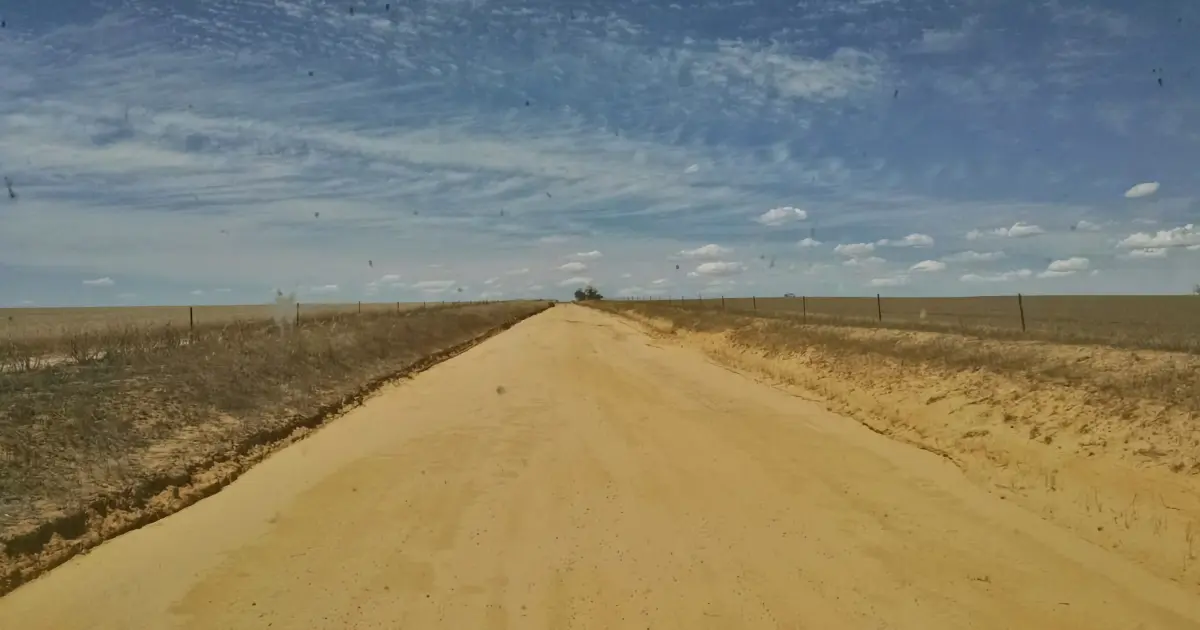
We then drove down a series of dirt roads, transporting the cows to a nearby farm to drop them off in a paddock with a herd of other cows (and one lucky bull) for breeding purposes.
We left the cows to their holiday and made the drive back to the farm, We did such a good job washing the farm truck that we were asked to wash the family car, too, and we got it done just before the dinner bell.
This was the last day on the farm, and while we enjoyed the experience (except for that bit with the rocks) we were definitely looking forward to getting back to Perth.
Recounts the events of October 16–23 — Days 57–64 of continuous travel.
Taking on the World is an Amazon Associate and earns from qualifying purchases.
Header Image: A tractor on a wheat farm in Western Australia. All images from the author's collection.